


Exploring the Facts, Benefits & Reducing the Stigma Around Cannabinoids
As public interest in cannabinoids continues to rise, especially CBD, it’s crucial to understand what the science really says. While cannabis has long been surrounded by stigma, increasing research is uncovering the unique roles that CBD (cannabidiol) and THC (tetrahydrocannabinol) can play in human health.
Sit tight, we have a lot to unpack. After my last post on instagram, caused ruffled a few feathers with the medical canabbis community. I wanted to take some time to further research and explore the effects of CBD and THC as a therapeutic potential, and how we can move the conversation forward with facts, not fear.
🔬 What Are CBD and THC?
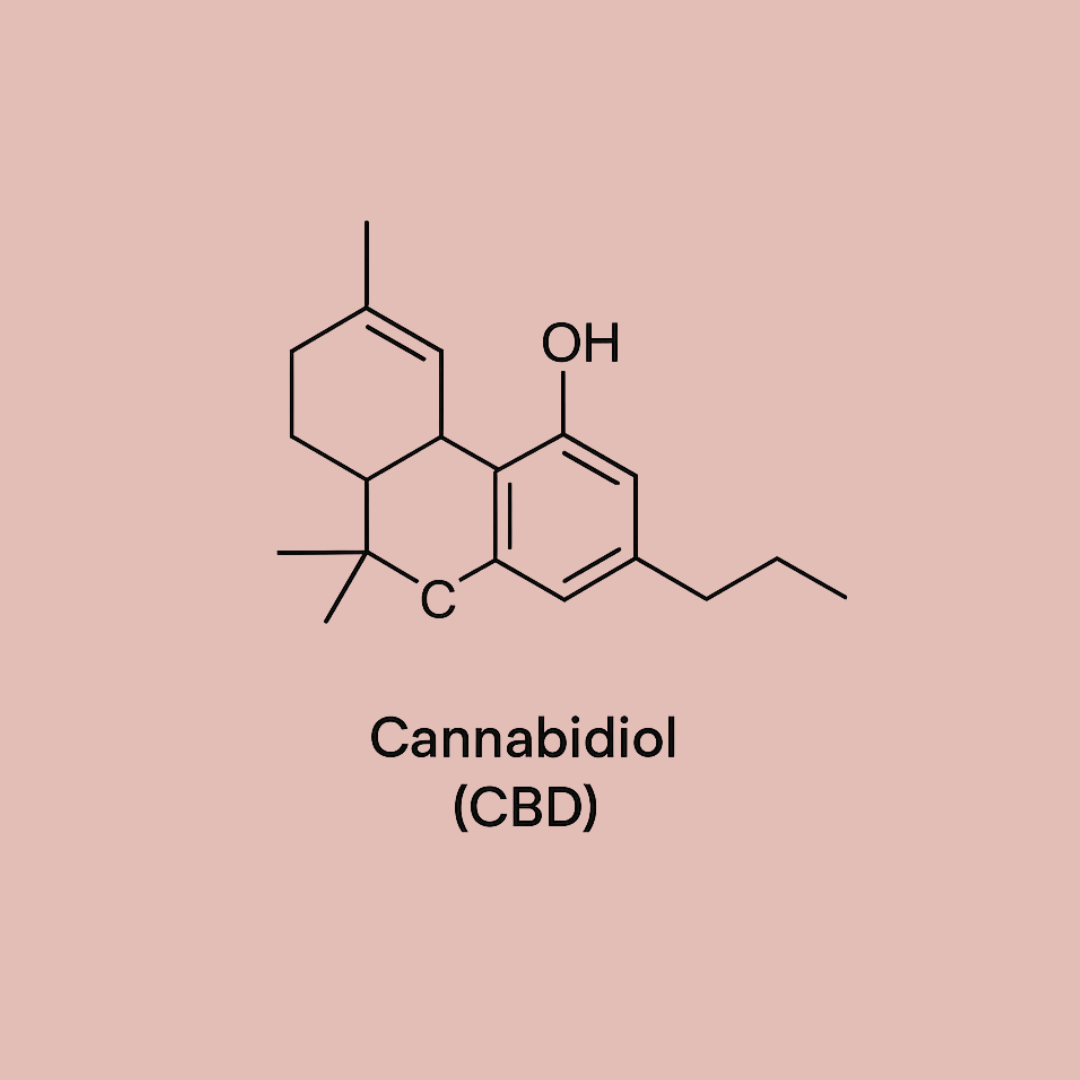

THC (Tetrahydrocannabinol)
– is the primary psychoactive compound in cannabis. It binds directly to CB1 receptors in the brain, producing the “high,” and to CB2 receptors in the immune system. Medically, THC is used to manage chronic pain, nausea, and muscle spasticity in conditions like multiple sclerosis (MS) (Devane et al., 1988; Cassano et al., 2017).
CBD (Cannabidiol)
– is non-psychoactive and interacts more subtly with the body’s systems. It modulates several receptors including TRPV1 (involved in pain), 5-HT1A (linked to anxiety), and may influence CB1 receptors indirectly (Mechoulam et al., 2007; Brown et al., 2010). It’s FDA-approved for treatment-resistant epilepsy and is being studied for its impact on pain, anxiety, inflammation, sleep, and neurodegenerative diseases.
What UK Research Shows
🌿 What Is CBD?
CBD (Cannabidiol) is a non-intoxicating compound found in the cannabis plant. It won’t get you “high” like THC (Δ9-tetrahydrocannabinol) does.
It interacts with the endocannabinoid system (ECS) and other receptors (serotonin, TRPV1, adenosine) to offer potential therapeutic effects including:
- Pain relief
- Anti-inflammatory action
- Anxiety reduction
- Neuroprotection
Legal Status in the UK
| Substance | Legal Status | Notes |
|---|---|---|
| CBD | ✅ Legal | Must be derived from an industrial hemp strain approved by the UK and contain <0.2% THC. Products must be registered as a novel food to be legally sold. |
| THC | ❌ Controlled | A Class B drug under the Misuse of Drugs Act 1971. Prescription THC use is legal under certain conditions. |
| Medical Cannabis (THC) | ✅ Legal (since Nov 2018) | Available only by specialist doctors, not GPs, for severe epilepsy, MS, chemotherapy-related nausea, etc. Access remains limited and expensive. |
Approved Medical Use in the UK
| Medicine | Components | Approved For | Notes |
|---|---|---|---|
| Epidyolex® | CBD | Lennox-Gastaut & Dravet syndromes | Approved by NICE (2020) via NHS |
| Sativex® (Nabiximols) | CBD + THC (1:1 spray) | MS-related spasticity | Prescribed in limited cases |
| Nabilone | Synthetic THC | Chemotherapy-induced nausea | Used in hospital care |
Evidence-Based Benefits
| Potential Use | What Research Suggests | References |
|---|---|---|
| Epilepsy | Epidyolex reduces seizures in rare childhood epilepsies | FDA, 2024; NICE, 2020 |
| Pain Relief | CBD affects TRPV1 (pain receptor) and may help with neuropathic and chronic inflammatory pain | Maccarrone et al., 2014 |
| Anxiety | Evidence supports CBD use for social anxiety and PTSD symptoms | Blessing et al., 2015 |
| Sleep | Mixed findings; some report improved sleep, but large studies are needed | Walsh et al., 2021 |
| Neurodegeneration | CBD shows promise in reducing neuroinflammation in Alzheimer’s and Parkinson’s models | Esposito et al., 2007; Lastres-Becker et al., 2005 |
| Addiction | Preliminary studies show reduced cravings in opioid and nicotine addiction | Pellati et al., 2020 |
Safety & Side Effects
CBD is generally well-tolerated:
- Common side effects: fatigue, diarrhea, appetite or weight changes
- Drug interactions: can affect how other medications are metabolised via liver enzymes (CYP450)
- No known dependency or abuse potential
- Long-term safety still being studied
A 2024 review in Nature Cannabis confirmed CBD’s low abuse potential and minimal cognitive effects.
THC: Risks & Considerations
Recognised Medical Benefits
While THC is psychoactive, it also has well-established medical uses, particularly when used in balanced formulations with CBD (like Sativex®).
| Clinical Benefit | Supporting Evidence |
|---|---|
| Appetite stimulation | Used for AIDS-related anorexia (FDA, 2024) |
| Anti-nausea (antiemetic) | Dronabinol approved for chemotherapy-induced nausea |
| Spasticity relief in MS | Sativex® (1:1 THC:CBD spray) approved in UK for MS |
| Pain relief | Shown to reduce neuropathic pain in some studies |
| Sleep aid | THC may help with insomnia in some individuals |
| Mood elevation & muscle relaxation | Anecdotally and clinically observed in small trials |
THC – Considerations and Risks
| Risk Factor | Notes |
|---|---|
| Psychoactive effects | May cause anxiety, euphoria, sedation, or confusion |
| Cognitive impact | High doses can impair memory and attention |
| Psychosis risk | Especially with heavy use or genetic predisposition |
| Dependency potential | Moderate; estimated 9% risk of dependence (Volkow et al., 2014) |
Why This Matters
Many people associate cannabis only with “getting high,” which can stigmatise medical users. CBD offers non-psychoactive relief for pain, anxiety, and more — with growing clinical backing.
CBD is:
- Affordable
- Accessible in the UK
- Scientifically supported for select uses
- Still under investigation for many more potential benefits
- CBD modulates CB1 and CB2 receptors indirectly, possibly affecting serotonin, TRPV1 (pain), and adenosine receptors.
- It has anti-inflammatory, antioxidant, neuroprotective, and anxiolytic (anxiety-reducing) properties.
Research-Based Potential Benefits
CBD is being studied for:
- Anxiety disorders
- Pain relief (especially neuropathic)
- Sleep disorders
- Addiction treatment
- Neurodegenerative diseases (e.g. Alzheimer’s, Parkinson’s)
- Inflammatory diseases (e.g. MS)
But:
🔎 More rigorous studies are still needed. Most current data come from animal studies or small human trials.
Both CBD and THC Have Therapeutic Value
| Component | Psychoactive? | Approved Uses (UK) | Risks |
|---|---|---|---|
| CBD | ❌ No | Epilepsy (Epidyolex), MS (Sativex) | Low risk, well-tolerated |
| THC | ✅ Yes | MS, Chemotherapy nausea, Pain | Higher psychoactive risk, some dependency potential |
Reference Links
Physical activity and the endocannabinoid system: an overview – PMC
Frontiers | Cannabinoids and Pain: New Insights From Old Molecules
Cannabinoids and Pain: New Insights From Old Molecules – PMC
Cannabinoids and Pain: New Insights From Old Molecules – PMC
 The Mindful Mug